

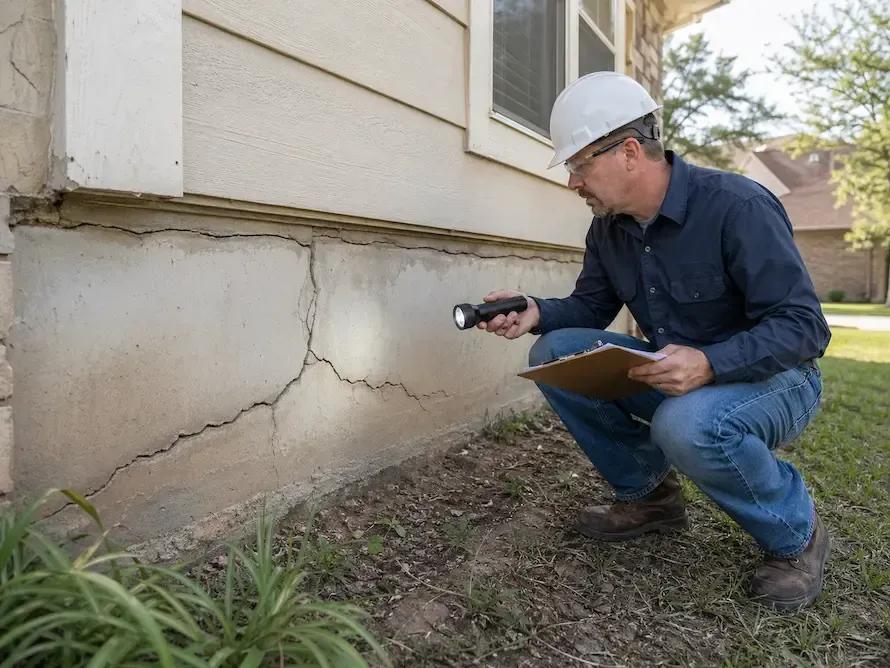
Your home’s foundation provides essential support for the entire structure. When foundation problems develop, they can affect walls, floors, doors, windows, and other parts of the building. Small cracks or uneven floors may seem harmless at first, but certain changes can indicate settlement, soil movement, water damage, or other underlying structural concerns.
For homeowners in Staten Island, New York, professional foundation repair can help identify these problems, address their causes, and protect the long-term stability of the property. Because every home has different soil conditions, foundation designs, and drainage requirements, choosing the right repair approach begins with a careful inspection.
Understanding the warning signs of foundation damage, the causes of structural movement, and the available repair options can help you make informed decisions about maintaining a stronger, safer home.
Why Foundation Repair Matters for Staten Island Homes
A foundation transfers the weight of a building to the soil beneath it. When the soil or foundation changes in a way that affects this support, the movement may create cracks, uneven surfaces, or other visible signs of damage.
Foundation problems can develop gradually or become noticeable after heavy rainfall, changes in soil moisture, plumbing leaks, or nearby excavation. Some cracks are cosmetic, while others may indicate settlement or structural movement that requires professional attention.
Staten Island properties can have different foundation and drainage conditions depending on their location, age, construction, and surrounding landscape. A repair strategy that works for one home may not be appropriate for another.
Professional foundation repair focuses on understanding why the damage occurred and selecting a suitable solution. Addressing the underlying cause is important for reducing the likelihood of recurring problems and helping protect the home’s structural integrity.
Common Signs Your Foundation May Need Repair
Foundation problems do not always begin with dramatic structural damage. In many cases, the first warning signs appear as small changes around the home.
Cracks in Foundation Walls
Cracks may develop in poured concrete, concrete block, brick, or other foundation materials. Some result from normal concrete shrinkage, while others may be associated with settlement, lateral soil pressure, or changes in moisture conditions.
Pay attention to cracks that widen over time, allow water to enter, or appear alongside other signs of movement. Horizontal cracks, significant displacement, and inward bowing of foundation walls deserve prompt professional evaluation.
Uneven or Sloping Floors
Floors that slope, dip, or feel uneven may indicate movement in the foundation or changes in the supporting structure. Other possible causes include damaged floor joists, deteriorating support posts, or moisture related deterioration.
A professional inspection can help determine whether the issue originates in the foundation, the framing, or another part of the building.
Doors and Windows That Stick
Doors and windows that suddenly become difficult to open or close may reflect changes in the building’s alignment. Foundation movement can alter the shape of door and window openings, affecting their operation.
However, seasonal humidity, swollen wood, and ordinary hardware problems can produce similar symptoms. These signs should be evaluated alongside other evidence of structural movement.
Gaps Around Walls, Ceilings, or Trim
New gaps between walls and ceilings, separated trim, or visible spaces around interior finishes may indicate that parts of the building are shifting.
Although these changes can have several causes, recurring or expanding gaps should not be ignored, especially when accompanied by foundation cracks or uneven floors.
Water Intrusion and Persistent Dampness
Water entering through foundation cracks or basement walls may indicate a waterproofing problem, a drainage issue, or damage that requires repair.
Moisture alone does not necessarily mean the foundation is structurally compromised. However, recurring water intrusion can damage building materials and may be associated with other foundation concerns.
Identifying the source of the water is essential before choosing the right repair method.
What Causes Foundation Problems?
Understanding the cause of foundation damage is one of the most important steps in selecting an effective repair strategy.
Soil Settlement and Movement
Foundations rely on stable soil to distribute the weight of a building. If the supporting soil compresses, shifts, or loses stability, portions of the foundation may settle unevenly.
This movement can create cracks, changes in floor level, and misalignment around doors and windows.
The appropriate repair depends on the extent of settlement, the foundation type, and the conditions beneath the structure.
Poor Drainage Around the Foundation
Water that collects near the home can saturate the surrounding soil and contribute to changes in soil conditions. Poor grading, clogged gutters, and downspouts that discharge too close to the foundation can increase the amount of water reaching vulnerable areas.
Improving drainage may help address the cause of certain moisture related problems, although drainage work alone may not correct existing structural movement.
Hydrostatic Pressure
When groundwater accumulates around or beneath a foundation, it can exert pressure against basement walls and floors. This pressure may contribute to seepage through cracks and joints and, under certain conditions, to structural stress.
Depending on the situation, a solution may involve drainage improvements, sump pump installation, foundation crack repair, or other measures designed for the specific water conditions.
Tree Roots and Changes in Soil Moisture
Trees and other vegetation can influence soil moisture levels around a property. In some soil conditions, changes in moisture may contribute to shrinkage or movement, while roots can affect nearby structures or drainage systems.
The relationship between vegetation and foundation movement depends on the tree species, distance from the building, soil type, and local conditions.
A professional assessment can help determine whether vegetation or related drainage issues are contributing to the problem.
Aging Materials and Construction Issues
Older foundations may develop deterioration due to prolonged moisture exposure, material wear, corrosion of embedded components, or earlier construction deficiencies.
The appropriate solution depends on the type of damage and whether the foundation continues to move. Some conditions require localized repairs, while others may need structural reinforcement or more extensive reconstruction.
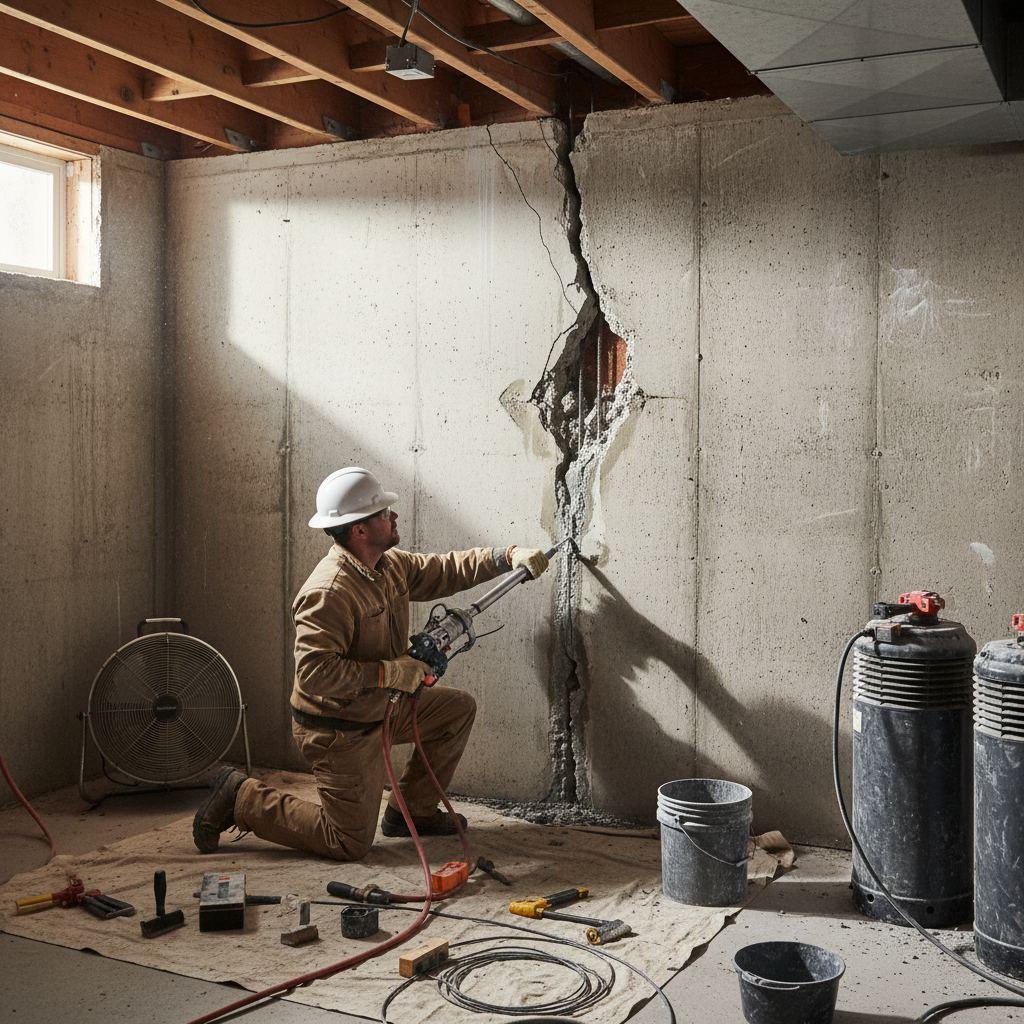
Professional Foundation Repair Solutions
Foundation repair is not a one size fits all service. A qualified professional should evaluate the damage and recommend a method suited to the home’s construction and the underlying cause.
Foundation Crack Repair
Foundation cracks may be repaired using appropriate injection materials, sealants, or other repair methods, depending on the crack’s location, width, and condition.
For certain nonstructural cracks, an injection repair may help seal the opening and reduce water intrusion. Cracks associated with significant movement may require additional investigation before a repair method is selected.
It is important to distinguish between sealing a crack against moisture and repairing a structural problem. These are not always the same task.
Foundation Underpinning and Stabilization
When a foundation experiences settlement because its existing support is inadequate, underpinning or other stabilization methods may be considered.
Depending on the property’s conditions, these approaches can involve installing additional support elements that transfer loads to more suitable soil or other designed bearing locations.
The choice of system depends on the foundation type, soil conditions, building loads, access, and the extent of movement. A qualified structural professional may be needed to determine the appropriate design.
Carbon Fiber Reinforcement
Carbon fiber reinforcement may be suitable for certain foundation walls that require stabilization against lateral movement.
When designed and installed appropriately, carbon fiber straps can help reinforce eligible walls and limit further movement. They do not correct every type of foundation problem and may not be suitable for walls with significant displacement or other structural deficiencies.
A professional evaluation is necessary to determine whether reinforcement is appropriate or whether a more extensive structural solution is required.
Bowing Wall Repair
A foundation wall may bow inward when subjected to sustained lateral pressure from surrounding soil or other forces.
Repair options depend on the amount of movement, the wall’s construction, and the underlying cause. Some walls may be suitable for engineered reinforcement, while more severe damage may require additional structural work.
Because a bowing wall can indicate a serious structural concern, it should be assessed by a qualified professional before cosmetic repairs are attempted.
Drainage and Waterproofing Improvements
Foundation problems sometimes occur alongside persistent water intrusion. Correcting the moisture source may involve improving surface grading, redirecting downspouts, installing suitable drainage, or repairing vulnerable foundation areas.
Interior drainage systems and sump pumps may also be appropriate where groundwater needs to be collected and discharged.
These measures help manage water but should not be treated as substitutes for structural repairs when the foundation has experienced significant movement or damage.
Why a Professional Foundation Inspection Is Important
Visible damage provides useful clues, but it does not always reveal the full extent or cause of a foundation problem.
A professional inspection can help determine whether cracks are stable or changing, whether a wall is moving, and whether drainage or soil conditions may be contributing to the damage.
Depending on the situation, an inspection may include measurements of cracks, an assessment of wall alignment, observations of floor levels, examination of exterior grading, and a review of moisture conditions.
If the damage appears structural or its cause is uncertain, consultation with a qualified structural engineer may be appropriate.
A detailed assessment helps homeowners avoid unnecessary work and choose repairs based on the actual condition of the property.
Choosing a Foundation Repair Contractor in Staten Island
Selecting the right contractor is essential when structural stability and long term property protection are involved.
Before hiring a foundation repair company in Staten Island, consider the following factors.
Relevant Experience
Look for a contractor with experience handling the type of foundation problem affecting your home. Crack repair, wall stabilization, settlement correction, and drainage improvements involve different methods and requirements.
Ask how the company determines which repair approach is suitable for a particular property.
Clear Inspection Findings
A reliable contractor should explain the observed damage, the likely cause, and the reasons for the proposed repair.
Be cautious of recommendations that involve major structural work without a reasonable assessment of the problem.
Written Estimates
Request a written proposal that describes the scope of work, materials, labor, expected schedule, and any exclusions.
If additional repairs may become necessary after excavation or further investigation, ask how those costs will be communicated and approved.
Appropriate Credentials and Insurance
Verify that the contractor meets applicable licensing and registration requirements for the work being performed and carries appropriate insurance.
Some structural repairs may require permits, engineered plans, or additional professional involvement. Confirm who is responsible for determining and coordinating those requirements.
Warranty and Maintenance Information
Review the warranty terms carefully, including what is covered, how long coverage lasts, and whether there are limitations or maintenance conditions.
Ask what inspections or maintenance may be needed after the repair and how future changes in the foundation should be addressed.
How to Help Prevent Future Foundation Damage
Although not every foundation problem can be prevented, maintaining suitable drainage and monitoring the home’s condition can reduce certain risks.
Keep Gutters and Downspouts Clear
Clean gutters regularly so rainwater can move freely through the drainage system. Ensure downspouts direct water away from the foundation toward an appropriate discharge location.
Maintain Proper Exterior Grading
The ground around the house should direct surface water away from the foundation. Watch for areas where soil has settled or where landscaping causes rainwater to collect against basement walls.
Address Plumbing Leaks Promptly
Leaking pipes can introduce moisture into soil around or beneath the foundation. Investigate unexplained damp areas, recurring water bills, or other signs of hidden leaks.
Monitor Existing Cracks
Keep a record of cracks that have been inspected, particularly if they are being monitored for movement. Changes in width, displacement, or water intrusion should prompt further evaluation.
Maintain Drainage and Sump Equipment
If your home has a sump pump or foundation drainage system, follow the manufacturer’s maintenance recommendations and check that the discharge route remains clear.
These measures can support long term maintenance, but they do not replace professional evaluation when signs of structural movement are present.
Protect Your Staten Island Home With Professional Foundation Repair
Your foundation provides the support your home needs to remain stable and functional. Cracks, uneven floors, sticking doors, bowing walls, and recurring basement leaks can indicate issues that deserve careful investigation.
For homeowners in Staten Island, professional foundation repair begins with identifying the underlying cause and selecting a solution suited to the property’s construction and condition. Depending on the problem, this may involve crack repair, structural reinforcement, underpinning, drainage improvements, or a combination of methods.
Taking action when warning signs appear can help prevent avoidable deterioration and make it easier to plan appropriate repairs.
If you have noticed changes in your foundation or recurring water intrusion, consider arranging a professional inspection. A clear assessment, a documented repair plan, and appropriate workmanship can help you protect your property and maintain a stronger, safer home for years to come.